
Higher education is a crucial step towards success. The university you attend is a significant decision that will affect your future. Turkey is a country that offers a wide range of high-quality universities with comprehensive educational programs. This article will discuss the best universities in Turkey and why they are the best choice for quality education. By exploring these institutions, you’ll gain insights into their unique strengths, historical significance, and how they contribute to global academic standards. Whether you’re interested in engineering, humanities, or health sciences, Turkey’s universities provide diverse opportunities that cater to various career aspirations and research interests.
Why Choose Turkey for Higher Education?
Turkey has a rich history, diverse culture, and a strategic location between the Middle East, Europe, and Asia. The country has a high-quality higher education system that is internationally recognized. Many universities in Turkey offer programs tailored to global needs, with a focus on innovation, research, and technological development. Additionally, Turkey’s universities often collaborate with international partners, providing students with exchange programs, joint research initiatives, and exposure to multicultural perspectives. This blend of Eastern and Western influences creates a unique learning environment that fosters creativity and critical thinking. For international students, Turkey also offers affordable tuition fees compared to many Western countries, along with scholarships that make education accessible. The vibrant student life, including cultural festivals, historical sites, and modern amenities, enhances the overall experience, making it not just about academics but also personal growth and global networking.
Read also: Study Abroad: A Promising Choice for Your Future
Istanbul Technical University
Istanbul Technical University is one of the best universities in Turkey and is renowned worldwide. The university offers a wide range of study programs in engineering, computer science, architecture, and natural sciences. These programs are run by experienced faculty and supported by modern facilities. Founded in 1773, ITU holds the distinction of being one of the world’s oldest technical universities, with a legacy of pioneering advancements in engineering and technology. Students benefit from state-of-the-art laboratories, research centers, and industry partnerships that provide hands-on experience and internship opportunities. The university’s emphasis on interdisciplinary studies encourages innovation, such as in sustainable energy and urban planning, aligning with global challenges. Alumni from ITU have gone on to lead major companies and contribute to groundbreaking projects, making it an ideal choice for those seeking a rigorous, forward-thinking education that prepares them for leadership roles in tech-driven industries.
Boğaziçi University

Boğaziçi University is one of the leading universities in Turkey located in Istanbul. The university is known for its academic excellence and strong reputation in various disciplines. With a focus on quality education and research, Boğaziçi University provides a stimulating environment for students to develop their potential. Situated on a picturesque campus overlooking the Bosphorus Strait, the university combines historical charm with modern academia. Its liberal arts approach encourages students to explore diverse fields, from economics and psychology to molecular biology and computer engineering. Boğaziçi boasts a high faculty-to-student ratio, ensuring personalized mentorship and active participation in research projects. The institution’s international outlook is evident in its English-medium instruction for most programs and numerous exchange agreements with top universities worldwide. This global exposure, coupled with a vibrant campus life featuring clubs, sports, and cultural events, helps students build a well-rounded profile, fostering skills like leadership, teamwork, and cross-cultural communication essential for today’s interconnected world.
Sabanci University
Sabanci University is a prestigious private university in Turkey located in Istanbul. The programs offered by the university are innovative and aligned with current industry demands. With a focus on industry collaboration and applied research, Sabanci University prepares its students to become leaders in their respective fields. Established in 1999 by the Sabanci Foundation, this relatively young institution has quickly risen to prominence through its flexible curriculum that allows students to customize their education across disciplines. The university’s nanotechnology research center and business school are particularly noteworthy, offering cutting-edge facilities and real-world projects in partnership with global corporations. Students engage in experiential learning through internships, capstone projects, and entrepreneurship programs, which cultivate problem-solving skills and innovative thinking. Sabanci’s commitment to sustainability and social responsibility is integrated into its courses, encouraging students to address societal issues like climate change and economic inequality. This holistic approach not only enhances employability but also equips graduates to make meaningful contributions to their communities and the global economy.
Bilkent University
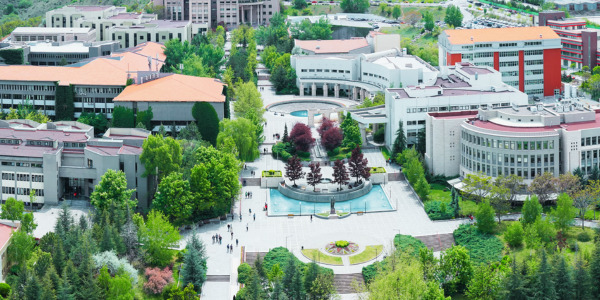
Bilkent University is a leading private university in Ankara, the capital of Turkey. The university has a dynamic academic environment that integrates education, research, and innovation. With a focus on academic excellence and international collaboration, Bilkent University offers various comprehensive study programs. As Turkey’s first private nonprofit research university, founded in 1984, Bilkent emphasizes English-language instruction and attracts faculty from around the world, creating a diverse intellectual community. Its programs in music, performing arts, and sciences are bolstered by world-class facilities like concert halls and advanced labs. Students participate in groundbreaking research from early stages, often publishing papers and presenting at international conferences. The university’s career services and alumni network provide strong support for job placement, with graduates excelling in academia, industry, and entrepreneurship. Bilkent’s campus, with its green spaces and cultural events, promotes a balanced lifestyle, helping students develop resilience, creativity, and a global mindset crucial for thriving in competitive fields.
Hacettepe University
Hacettepe University is a leading research university in Ankara. The university is renowned for its world-class health and life science programs. With a focus on innovative research and international collaboration, Hacettepe University offers exceptional learning opportunities for its students. Established in 1967, Hacettepe has grown into a comprehensive institution with strengths in medicine, dentistry, and pharmacy, featuring one of Turkey’s largest teaching hospitals. This integration of clinical practice and education allows students to gain practical experience alongside theoretical knowledge, preparing them for careers in healthcare and biotechnology. The university’s research output includes advancements in oncology, neurology, and public health, often in partnership with global organizations. Students benefit from scholarships, exchange programs, and extracurricular activities that build professional networks and soft skills. Hacettepe’s commitment to ethical research and community service instills a sense of responsibility, enabling graduates to contribute to improving health outcomes both locally and internationally.
Read also: Study in Türkiye: Dive into Culture and Science
Istanbul University
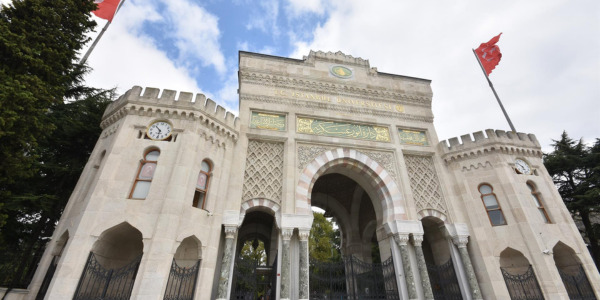
Istanbul University is one of the oldest universities in Turkey and offers a wide range of study programs in various fields of science. With a rich tradition and a strong reputation, Istanbul University attracts students from all over Turkey and the world. Dating back to 1453, coinciding with the fall of Constantinople, this historic institution blends centuries-old heritage with contemporary education. Its faculties span law, literature, economics, and forestry, providing interdisciplinary options that encourage broad intellectual exploration. The university’s central location in Istanbul offers access to museums, archives, and professional networks, enriching studies in humanities and social sciences. Research initiatives focus on cultural preservation, urban studies, and international relations, reflecting Turkey’s geopolitical role. Students engage in seminars, fieldwork, and volunteer programs that enhance resumes and personal development, preparing them for diverse careers in academia, government, and NGOs.
Ankara University
Ankara University is one of the largest universities in Turkey located in the capital city. The university offers comprehensive study programs in various disciplines. With modern infrastructure and complete facilities, Ankara University provides a high-quality educational experience. Founded in 1946, it serves as a hub for political science, agriculture, and veterinary studies, leveraging its proximity to government institutions for practical insights. Students can intern at ministries or participate in policy research, gaining real-world exposure. The university’s botanical gardens and observatories support hands-on learning in environmental sciences. With a large student body, diverse clubs, and international conferences, Ankara University fosters a collaborative atmosphere that builds communication skills and lifelong friendships. Its emphasis on civic engagement prepares graduates to influence public policy and sustainable development in Turkey and beyond.
Middle East Technical University (METU)
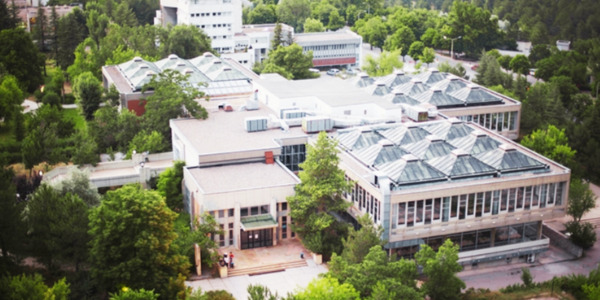
Middle East Technical University (METU) is a renowned university in Turkey located in Ankara. The university is known for its academic excellence and contributions to scientific research. The programs offered by METU cover various fields, ranging from natural sciences to engineering. Established in 1956 with a focus on technical education, METU has evolved into a research powerhouse with English as the primary language of instruction. Its aerospace engineering and computer science departments are globally recognized, featuring collaborations with NASA and tech giants. Students undertake design projects and theses that address real engineering challenges, such as renewable energy systems. The expansive campus includes sports facilities and innovation hubs, promoting work-life balance and entrepreneurial spirit. METU’s alumni network spans industries, offering mentorship and job opportunities that ensure high employability and career advancement.
Koç University
Koç University is a prestigious private university in Istanbul. The university offers leading programs in business, engineering, social sciences, and life sciences. With a focus on innovation and industry collaboration, Koç University prepares its students for success in the professional world. Founded in 1993, Koç stands out for its American-style liberal education, allowing students to explore before specializing. Its business school, accredited by AACSB, features case studies and executive education. Research in neuroscience and materials science is supported by advanced labs and funding. Students gain from study abroad programs and corporate internships, building global competencies. The university’s emphasis on ethics and leadership development ensures graduates are not only skilled but also principled professionals ready to navigate complex business landscapes.
Yildiz Technical University
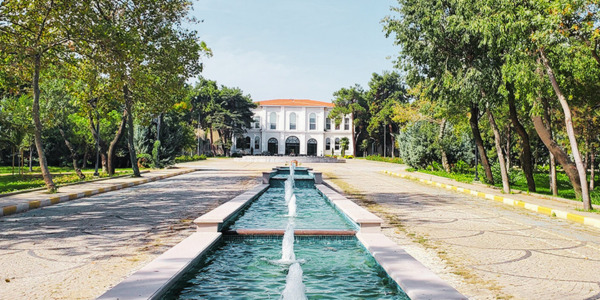
Yildiz Technical University, located in Istanbul, is a leading technical university in Turkey. The university offers programs related to civil engineering, mechanical engineering, electrical engineering, and more. With a focus on project-based education and practical skill development, Yildiz Technical University produces quality graduates. Tracing its roots to 1911, YTÜ has a strong engineering tradition with modern twists like AI and robotics integration. Students work on industry-sponsored projects, gaining certifications and portfolio pieces. The university’s technopark fosters startups, providing incubation and funding. With ties to European universities, exchange programs enhance cultural awareness. YTÜ’s career fairs and alumni events connect students to jobs in construction, manufacturing, and tech, emphasizing sustainable practices for future-proof careers.
Ege University
Ege University is a leading university in Izmir, one of the largest cities in Turkey. The university offers a wide range of study programs in various disciplines. With an emphasis on research and innovation, Ege University provides a dynamic academic environment for students. Founded in 1955, Ege excels in agriculture, marine sciences, and medicine, reflecting Izmir’s coastal and agricultural heritage. Its research farms and aquaculture centers offer field-based learning. Students collaborate on EU-funded projects, gaining international experience. The vibrant city life, with beaches and historical sites, complements studies, while clubs and volunteering build community ties. Ege’s focus on regional development prepares graduates for roles in agribusiness, environmental management, and healthcare, contributing to Turkey’s economic growth.
Gedik University
Istanbul is home to the private university Gedik University. The university offers top programs in business, engineering, design, and social sciences. With a focus on practical skill development and an innovative approach, Gedik University prepares its students for success in the job market. Established in 2010, Gedik emphasizes vocational training with welding and manufacturing expertise, unique in Turkey. Students use simulation labs and earn industry certifications. Partnerships with companies provide apprenticeships, bridging theory and practice. The university’s design programs incorporate digital tools like 3D modeling. Campus events and career counseling support holistic development, ensuring graduates are adaptable and entrepreneurial in dynamic sectors.
Turkey is an attractive destination for higher education with many options for high-quality universities. This article has discussed some of the best universities in Turkey that offer quality education programs and a dynamic academic environment. Choosing the right university is an important step towards achieving quality education and preparing for a successful future. Beyond academics, studying in Turkey allows immersion in a country where history meets modernity, offering lessons in resilience, diversity, and innovation that extend far beyond the classroom.
Read also: List of Full Scholarships without IELTS/TOEFL for Study Abroad
FAQ
Q: What is the admission process to the best universities in Turkey?
Each university has different admission procedures. You need to visit the website of the university you are interested in to obtain detailed information about the requirements and admission process. Typically, this involves submitting academic transcripts, letters of recommendation, and possibly entrance exams like YÖS for international students. Early preparation, such as language proficiency tests, can streamline the application and increase acceptance chances.
Q: Do universities in Turkey offer scholarships?
Yes, many universities in Turkey offer scholarships to international students. You can visit the websites of universities and other Turkish educational institutions to search for information about available scholarships. Programs like Türkiye Scholarships cover tuition, accommodation, and stipends, often based on merit and need. Researching deadlines and eligibility criteria early can help secure funding and reduce financial burdens.
Q: What about the university tuition costs in Turkey?
The cost of attending a Turkish university varies based on the course of study and the position of the student. Typically, tuition costs for international students are higher than those for domestic students. However, even for internationals, fees are often more affordable than in Europe or the US, ranging from $1,500 to $10,000 per year. Budgeting for additional expenses like books and living costs is essential for financial planning.
Q: Are there English-language education programs at universities in Turkey?
Yes, many universities in Turkey offer English-language education programs, especially at the undergraduate and graduate levels. However, most undergraduate programs in Turkey are conducted in Turkish. For non-native speakers, preparatory language courses are available, and choosing English-taught programs can ease the transition while still allowing immersion in Turkish culture through daily life.
Q: Are degrees from universities in Turkey internationally recognized?
Yes, many universities in Turkey have international reputations, and the degrees they award are recognized in various countries around the world. However, it is important to verify the specific requirements of the country or institution where you plan to continue your studies or work after graduation. Accreditations like Bologna Process compliance ensure compatibility with European systems, facilitating mobility and further education abroad.
Advice for Studying in Turkey You Should Know

Turkey is one of the countries that offers numerous undergraduate, graduate, and doctoral scholarships to international students. Its universities are on par with those of other developed nations. If you intend to continue your education in Turkey or are preparing for a trip there, here are some essential preparation tips! Planning ahead can significantly ease the transition, from understanding visa requirements to adapting to the local climate and cuisine, ensuring a smoother and more enjoyable experience.
In addition to offering study advice, this article will also discuss the cost of living in Turkey and the selection of accommodations during your stay. Continue reading until the end! These insights are drawn from experiences of thousands of international students, helping you budget effectively and choose living arrangements that suit your lifestyle and study needs.
1. Select Your Tuition Financing Method
In Turkey, there are two ways to finance your education: self-funding and scholarships. Exploring both options thoroughly can help you secure the best financial support, potentially combining partial scholarships with part-time work or family contributions for a balanced approach.
Independent funding
The tuition fees in Turkey and Indonesia are not significantly different. The range is approximately three million to fifteen million per semester. This amount can differ depending on the institution and study program. Be sure to inquire via correspondence or visit the website of the university to which you intend to apply. Additionally, consider hidden costs like registration fees or lab materials, and factor in currency fluctuations to avoid surprises.
Awards of merit
The Turkish government provides international students with the prestigious Turkiye Burslari scholarship. In addition to this scholarship, universities also offer scholarships for which you can apply. These often include benefits like health insurance and travel allowances, making them highly competitive—strong academic records and personal statements are key to standing out.
2. Collecting Necessary Admission Documents
Some documents you must prepare to register for education in Turkey include:
- Previous academic credentials
- Transcript of documents
- Proposal for research at the master’s and doctoral levels
- Certificate of English language proficiency (IELTS or TOEFL)
- National test results
- Evidence of financial capacity
Organizing these documents early, perhaps in a digital portfolio, can speed up the process. Translations and notarizations may be required, so check university guidelines to ensure compliance and avoid delays.
3. Selecting the Appropriate Study Program
Turkey provides a variety of high-quality study programs in modern, well-kept facilities. Ensure that you have researched programs that correspond to your interests and skills. If necessary, construct a comparison chart in Microsoft Excel to effectively evaluate the differences. Consider factors like program duration, faculty expertise, and alumni success rates to make an informed choice that aligns with your long-term goals.
Additionally, ensure you are aware of the requirements for admission to Turkish universities. Some universities may require entrance examinations such as the YOS or SAT. Preparing for these tests with practice materials and courses can boost your scores and admission prospects.
4. Consultation with Qualified Advisers
Seeking assistance from a seasoned counselor can alleviate the burden of the aforementioned three issues. Therefore, it is essential to hire an experienced education consultant. As an education consultant, Ultimate Education has effectively assisted hundreds of Indonesian students in enrolling in prestigious universities worldwide. Therefore, it is not inappropriate to entrust Ultimate Education with your arrangements for studying abroad. Their expertise can provide personalized guidance, from application strategies to cultural adaptation tips, maximizing your chances of success.
Living Expenses in Turkey
Comparatively to Indonesia, the cost of living in Turkey is relatively low. Nevertheless, expenses can differ based on one’s lifestyle. Some typical costs associated with studying in Turkey include: Tracking expenses with apps can help manage budgets, and seeking student discounts on transport and entertainment can further reduce costs.
- The average restaurant will cost you TRY 30 per lunch.
- 100 TRY for a mobile phone and internet bundle
- Winter apparel: TRY 200
- Transportation costs amount to TRY 275 per month
- Espresso: TRY 15
- 1 liter of milk equals 6
- 1.5-liter bottle of water costs $2.30
- You may require a monthly budget of 4,000 to 5,000 Turkish Lira. At the current exchange rate of Rp 833 per 1 Turkish Lira (TRY), this equates to between Rp 3,300,000 and Rp 4,200,000 per month for the aforementioned expenses.
Selecting Your Lodging in Turkey
You have two housing options as a student in Turkey: government dormitories (KYK) and renting a house/apartment. Here is a concise summary of both: Weighing pros like cost against cons like privacy can help decide, and visiting options in person or via virtual tours is advisable.
Government Dormitories (KYK) located off or on campus.
- Economically reasonable
- Shared accommodations (two to four occupants per room).With complete amenities (electricity, laundry, heating, internet, and refrigerator), rent ranges from TRY 280 to TRY 500.
- Communal washrooms
- A curfew is imposed
- A House/Apartment Rental
- Multiple accommodations (non-studio) are available.
- Kitchen equipment
- each bedroom has its own ensuite
- There is no curfew.
- Rent ranges from TRY 1,000 to TRY 2,500 based on square footage and location.
- Electricity, internet, gasoline, and building maintenance are not included in rent.
The Conclusion
Studying in Turkey is an exceptional opportunity due to its high-quality education and low cost of living. By following these tips and considering your options wisely, you can make the most of your educational journey in this beautiful country. Embracing the experience fully, from academic pursuits to cultural explorations, will yield lifelong benefits in knowledge, networks, and personal growth.
FAQs
1. Are Turkish scholarships competitive?
Scholarships in Turkey can be competitive, so a strong application and academic record are required. Highlighting extracurriculars and unique experiences can differentiate your application in the selection process.
2. Can I work part-time in Turkey while studying?
Yes, international students can work up to 24 hours per week during the academic year while studying in Turkey. This can help offset living costs, but ensure it doesn’t interfere with studies, and check visa regulations for compliance.
3. What is the primary vernacular of instruction at universities in Turkey?
Turkish is the primary language of instruction at universities in Turkey. However, many universities also offer English-language programs, particularly at the master’s and doctoral levels. Learning basic Turkish can enhance daily interactions and cultural integration.
4. How do I apply for a student visa to Turkey?
You must contact the Turkish consulate or embassy in your home country in order to register for a Turkish student visa. They will provide you with the application forms and instructions required. Gathering all documents in advance and scheduling appointments early can prevent last-minute issues.
5. Should I be cognizant of any cultural differences when studying in Turkey?
Yes, it’s essential to be aware of and respectful of Turkish cultural norms and customs while studying in Turkey. This includes wearing modestly in appropriate situations and observing religious practices and holidays. Engaging with local communities through events can deepen understanding and foster meaningful connections.